
Engine idling is often overlooked. A driver waiting on site, parked during a delivery, or sitting in traffic with the engine running might not feel like a big issue in isolation. Across an entire fleet, however, idle time quietly becomes one of the most expensive and damaging habits to ignore.
For modern fleets operating under increasing cost pressure and environmental scrutiny, understanding and reducing engine idling is no longer optional. It is a clear opportunity to improve efficiency, protect vehicles, and reduce emissions.
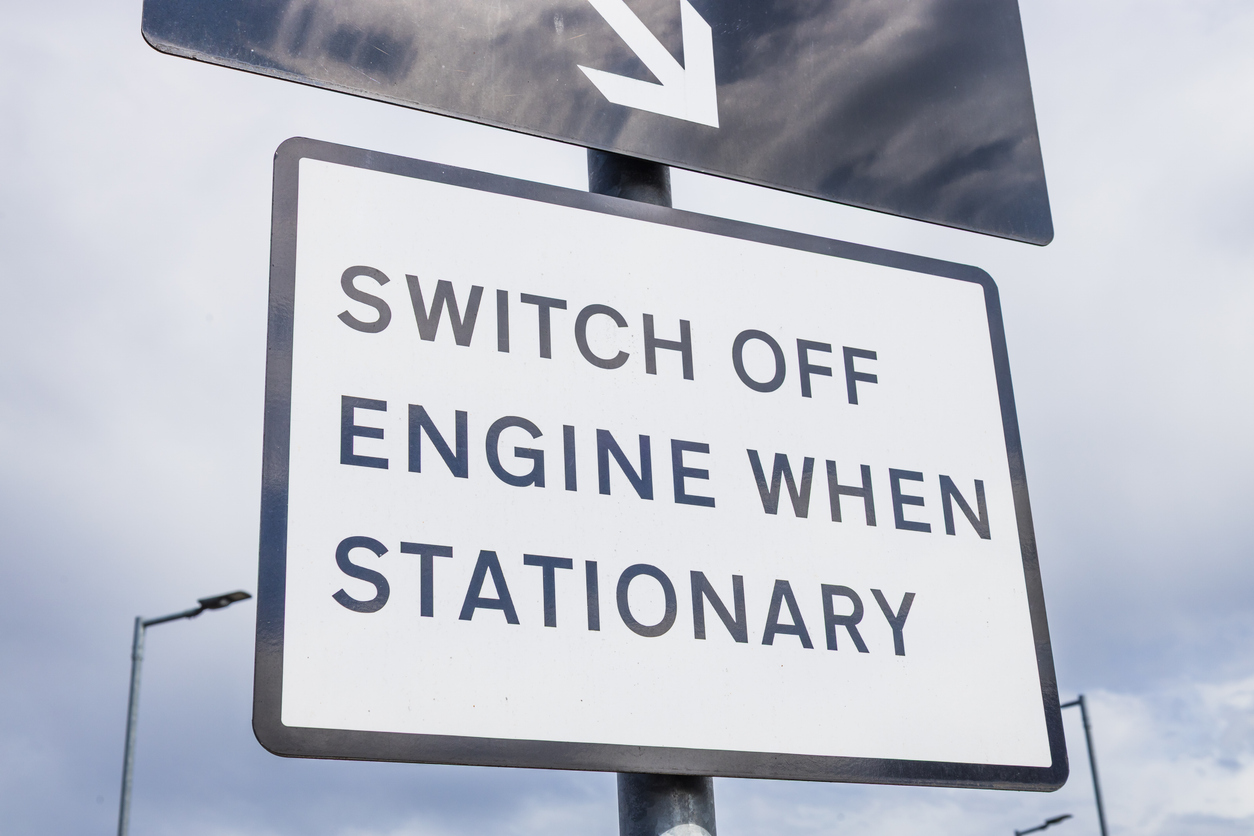
Why engine idling costs more than you think
Every minute a vehicle idles, fuel is being burned without any productivity gained. At current UK diesel prices, this adds up faster than many fleet operators expect. Industry data shows that a typical diesel van idling for an hour wastes over £3 worth of fuel, while releasing several kilograms of carbon dioxide into the air.
This fuel spend is essentially invisible on a balance sheet unless you are actively looking for it, which is why it is often referred to as hidden or ghost cost.
The hidden impact on vehicle wear and maintenance
The cost of idling is not limited to fuel alone. Engines are designed to operate most efficiently while driving, not while sitting stationary. When a vehicle idles for prolonged periods, fuel burns less efficiently and can cause carbon build up inside the engine.
Research referenced by fleet telematics providers indicates that just one minute of idling can create engine wear equivalent to driving several miles. Over time, this additional wear contributes to higher maintenance costs, increased servicing requirements, and reduced vehicle lifespan.
For fleets trying to control maintenance budgets or extend replacement cycles, unmanaged idling quietly undermines those efforts.
Environmental and compliance risks
The environmental impact of idling is another growing concern. Stationary vehicles emit concentrated levels of nitrogen oxides, particulates, and carbon dioxide, particularly in areas such as schools, depots, and worksites.
Local authorities across the UK are increasingly focused on reducing roadside emissions. Under the Highway Code, drivers should not leave engines running unnecessarily when stationary, and councils are now issuing fixed penalty notices to enforce this in some areas.
For fleet operators, this means idling is no longer just an efficiency issue. It is also a reputational and compliance risk, particularly for branded vehicles operating in public spaces.
Why idling persists in fleets
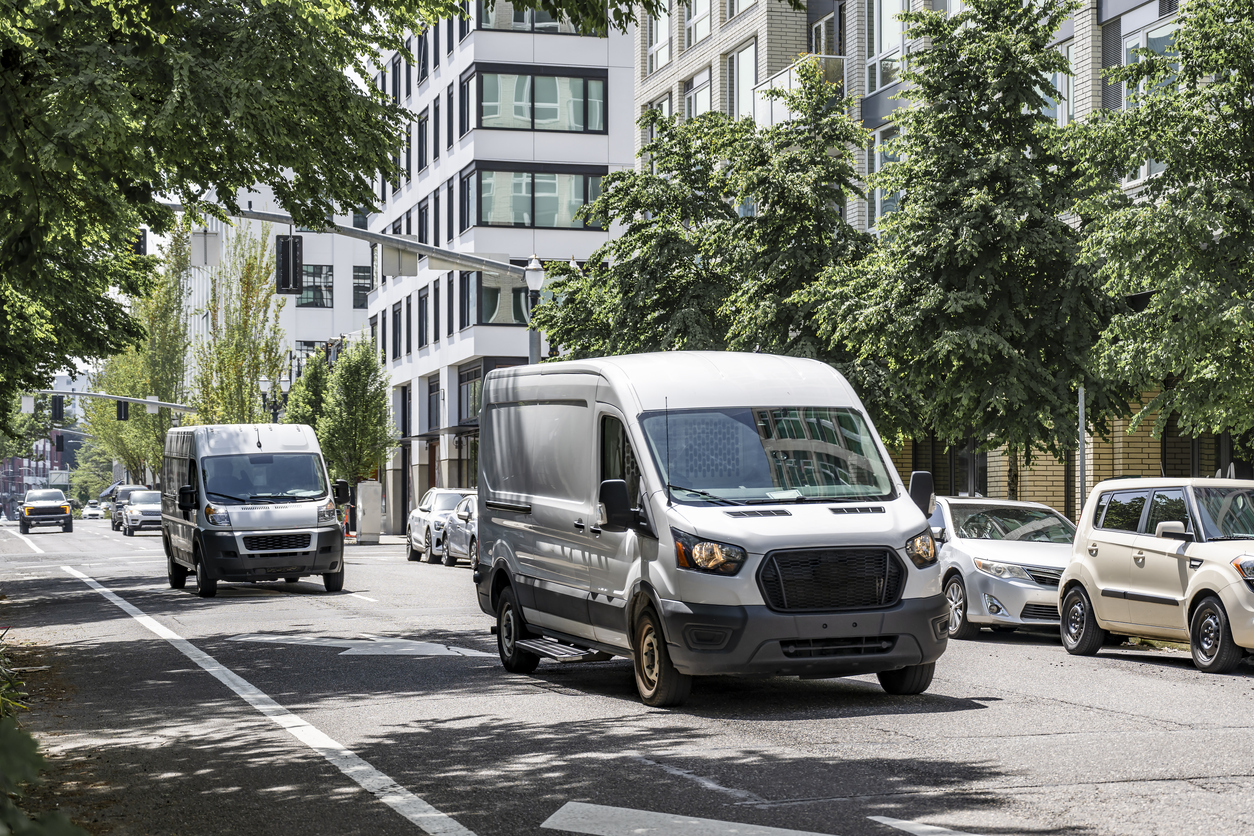
Despite the costs, idling remains common. Often this is not due to poor intent, but a lack of visibility. Without clear insight, fleet managers cannot easily answer questions such as where idling is happening, how long it lasts, or which vehicles are affected most.
Drivers may also idle for comfort, habit, or uncertainty around restart impact, even though modern engines generally use less fuel restarting than idling for more than a short period.
This gap between perception and reality keeps fleets losing money silently.
Why idling persists in fleets
Reducing engine idling starts with visibility. A connected fleet platform allows operators to clearly see when vehicles are stationary with engines running and for how long. This transforms idling from an assumption into a measurable metric.
Once idle time is visible, fleets can
• Identify patterns across routes, depots, or job types
• Set realistic idling benchmarks
• Address training gaps through driver coaching
• Track improvement over time
Importantly, meaningful reductions often come from small changes. Industry data shows that cutting just ten minutes of idling per vehicle per day across a medium sized fleet can result in annual fuel savings in excess of ten thousand pounds.
Why idling persists in fleets
Engine idling might seem insignificant in the moment, but across a fleet it represents a significant and avoidable cost. Reducing it protects margins, extends vehicle life, lowers emissions, and supports compliance.
A fully connected fleet makes these inefficiencies visible and manageable. Once you can see idle time clearly, you can begin turning wasted minutes into measurable savings.