In today’s fast-paced transport and logistics industry, visibility is everything. Fleet managers need to know where their vehicles are, how they are being driven, and whether operations are running efficiently. That’s where GPS tracking technology comes in.
While many people use GPS every day for navigation, fleet GPS tracking goes far beyond simply providing directions. Combined with telematics and real-time reporting, GPS tracking gives fleet operators valuable insights that help improve safety, efficiency, and customer service.

What Is GPS Tracking?
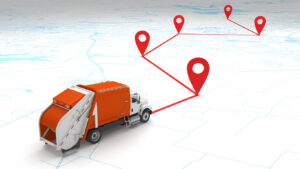
A GPS tracker is a device installed in a vehicle that determines its location using signals from satellites orbiting the Earth. Once the location is calculated, the device transmits that information to a cloud-based platform where fleet managers can view and analyse vehicle activity.
For fleet operators, this means having a live view of vehicle locations, routes, and operational activity, helping teams make smarter decisions and respond faster to changing conditions.
How Does GPS Tracking Work?
GPS tracking technology relies on three core components working together:
1. Satellite Networks
Global Navigation Satellite Systems (GNSS) consist of dozens of satellites continuously transmitting signals to Earth. GPS devices receive signals from multiple satellites and calculate their position through a process called trilateration.
2. Ground Control Stations
Ground stations monitor satellites, maintain system accuracy, and transmit updates to ensure reliable positioning data. This ongoing monitoring helps prevent inaccuracies and keeps the system functioning effectively.
3. Vehicle Tracking Devices
The GPS device installed within the vehicle receives satellite signals, determines its location, and sends that data via mobile networks such as 3G, 4G or 5G to a cloud-based fleet management platform.
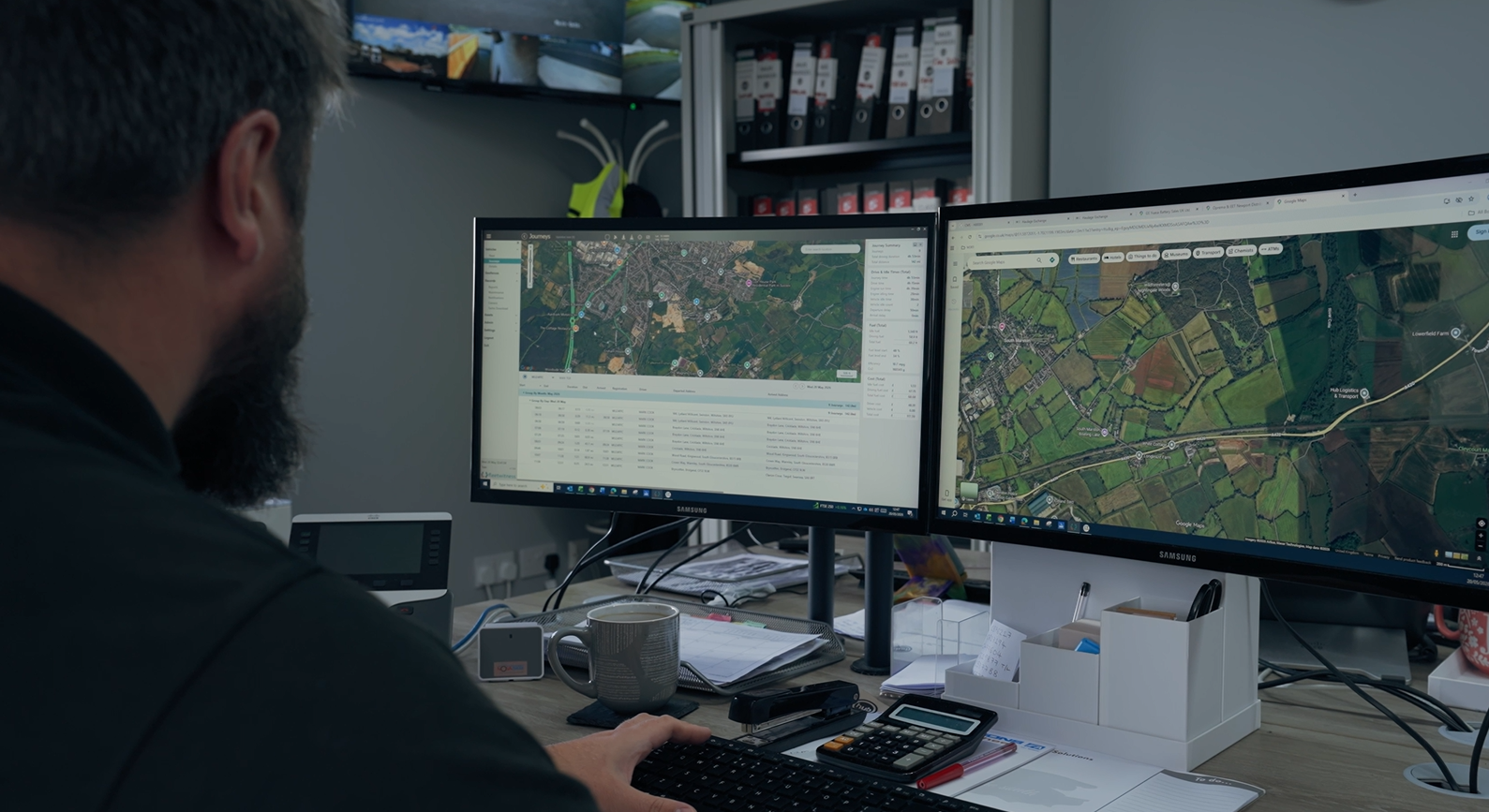
Once the data reaches the platform, fleet managers can access vehicle information through desktop dashboards or mobile applications.
Real-Time vs Passive GPS Tracking
Not all tracking solutions provide the same level of visibility.
Real-Time Tracking
Real-time (active) GPS tracking continuously transmits vehicle data, giving fleet managers an up-to-date view of operations.
This enables:
- Live vehicle tracking
- Dynamic route management
- Faster response to incidents
- Improved dispatching
- Enhanced customer service through accurate ETAs
Real-time visibility helps fleets move from reactive management to proactive decision-making.
Passive Tracking
Passive systems store journey data locally and only upload information later. While useful for historical reporting, passive tracking lacks the immediate visibility needed for live operations, emergency response, or rapid route adjustments.
Real-Time vs Passive GPS Tracking
Modern fleet management extends beyond location tracking alone.
When GPS technology is combined with telematics, businesses gain access to additional operational data, including:
- Speed and driving behaviour
- Harsh braking and acceleration events
- Engine diagnostics
- Idling time
- Vehicle status and utilisation
This combination provides a more complete picture of fleet performance, helping managers identify operational inefficiencies, reduce costs, and improve driver safety.
The Benefits of GPS Tracking for Fleets
The Benefits of GPS Tracking for Fleets
Knowing where vehicles are at any given moment allows managers to optimise routes, respond to delays, and maintain control over day-to-day operations. [verizonconnect.com]
Enhanced Driver Safety
Tracking driver behaviour can help identify risky driving habits before they lead to incidents. Managers can use this data for coaching and training, helping create a safer driving culture. [verizonconnect.com]
Reduced Operating Costs
By monitoring routes, idling, and vehicle usage, fleets can reduce unnecessary fuel consumption and improve vehicle efficiency. Data-driven insights help identify opportunities for ongoing operational improvements.
Faster Customer Service
Accurate location data enables more precise ETAs, quicker response times, and improved communication with customers, leading to a better overall service experience.
Better Asset Security
GPS tracking can help businesses monitor vehicle movement, detect unauthorised use, and improve asset protection through geofencing and automated alerts.
The Benefits of GPS Tracking for Fleets
As fleet operations become increasingly complex, the need for real-time visibility continues to grow. Customers expect accurate delivery information, businesses need greater efficiency, and safety remains a top priority.
GPS tracking provides the foundation for smarter fleet management by delivering the visibility and insights required to make informed decisions. When combined with telematics, it transforms raw location data into actionable intelligence that supports safer, more efficient, and more productive fleet operations.
Final Thoughts
GPS tracking has evolved from a simple navigation tool into a critical business asset. For fleet operators, it offers far more than vehicle location—it provides the data needed to improve efficiency, enhance driver safety, reduce costs, and deliver a better customer experience.