How to Improve Efficiency, Reduce Costs and Scale with Confidence
Running a small fleet often means balancing multiple responsibilities at once. Whether you’re managing service vehicles, delivery vans or a growing commercial fleet, staying on top of driver performance, maintenance schedules, fuel costs and customer expectations can quickly become overwhelming.
The good news is that modern fleet management technology makes it easier than ever for small businesses to gain visibility, improve efficiency and make data-driven decisions that support growth. Businesses that adopt a strategic approach to fleet management can reduce costs, improve safety and streamline day-to-day operations.

Why Fleet Management Matters for Small Businesses
For many small businesses, vehicles are essential assets that directly impact productivity and customer satisfaction. However, without the right systems in place, common challenges can emerge, including:
- Rising fuel expenses
- Vehicle downtime and unexpected repairs
- Difficulty tracking drivers and jobs
- Compliance administration
- Limited visibility into daily operations
A proactive fleet management strategy helps business owners identify inefficiencies, optimise resources and deliver better service while keeping operational costs under control.
1. Gain Real-Time Visibility Across Your Fleet
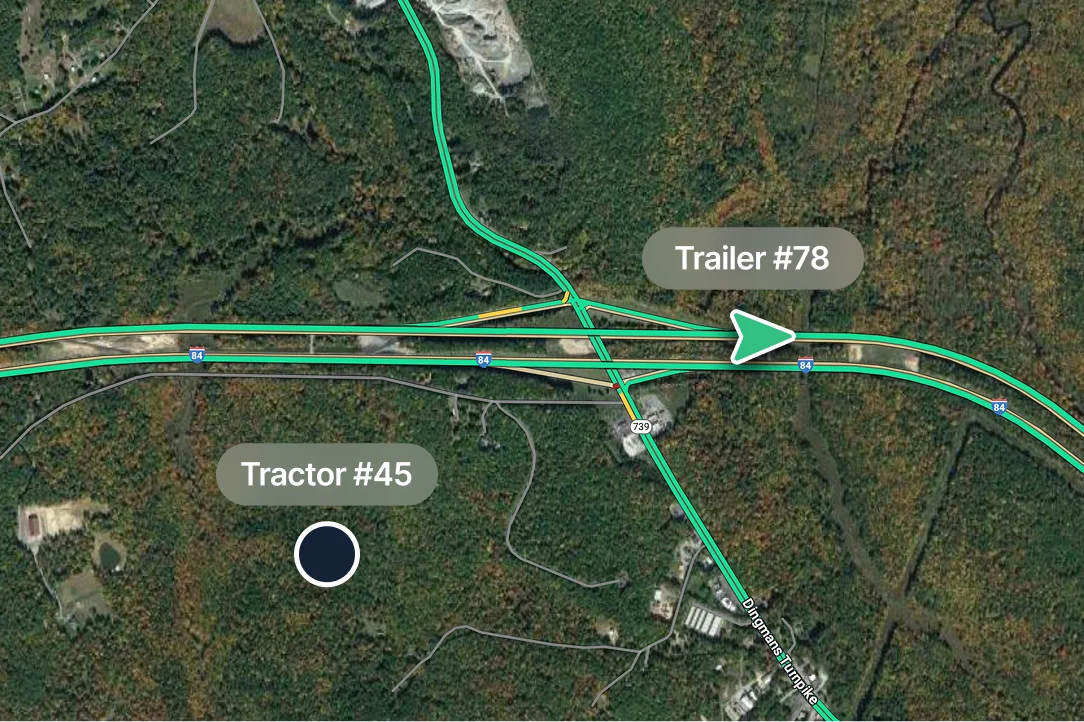
One of the biggest frustrations for fleet operators is not knowing where vehicles are or whether jobs have been completed on time.
GPS fleet tracking provides a live view of vehicle locations, enabling managers to:
- Dispatch the nearest driver to urgent jobs
- Improve response times
- Verify customer visits through geofencing
- Provide accurate arrival estimates to customers
With real-time visibility, businesses spend less time making phone calls and more time focusing on service delivery.
2. Improve Driver Safety Through Technology

Driver behaviour has a direct impact on safety, vehicle wear and fuel consumption.
Modern video telematics solutions combine AI-powered cameras with driver coaching tools to identify risky behaviours such as:
- Speeding
- Harsh braking
- Tailgating
- Mobile phone distraction
- Driver fatigue
Real-time in-cab alerts help drivers correct unsafe habits immediately, rather than waiting for a manager’s review after an incident has occurred. Fleets using video telematics often see measurable improvements in safety performance while also reducing accident-related costs.
3. Control Fuel Costs More Effectively

Fuel remains one of the largest ongoing expenses for fleet-based businesses.
While many operators closely monitor fuel spend, they often struggle to identify the underlying causes of excessive consumption. Common contributors include:
- Excessive idling
- Inefficient route planning
- Unnecessary vehicle usage
- Poor driving habits
Fleet management software can highlight these issues through reporting and analytics, allowing managers to take corrective action. Features such as idle-time monitoring and fuel card integration help create greater accountability and uncover opportunities for savings.
4. Stay Ahead of Vehicle Maintenance
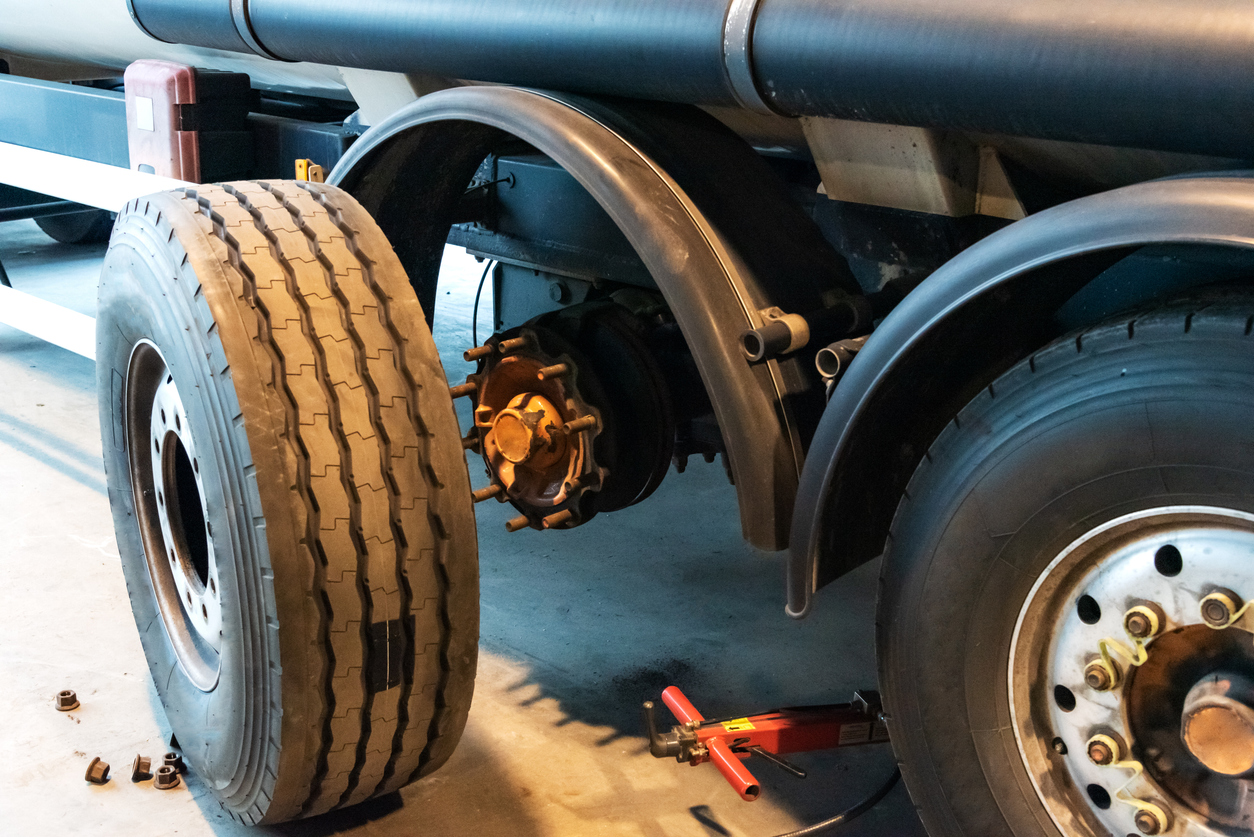
Unexpected breakdowns create operational disruption, increase repair costs and negatively affect customer service.
A preventative maintenance programme helps businesses reduce vehicle downtime by ensuring servicing is completed before issues become serious. Rather than relying solely on mileage schedules, modern fleet systems can also track engine hours and vehicle diagnostics to give a more accurate picture of asset health.
By identifying fault codes and maintenance requirements early, businesses can prevent many costly repairs and keep vehicles on the road longer.
5. Eliminate Paper-Based Vehicle Inspections

Managing paper inspection forms can be time-consuming and prone to errors.
Electronic Driver Vehicle Inspection Reports (eDVIRs) allow drivers to complete inspections digitally using mobile devices. This provides several benefits:
- Consistent reporting procedures
- Faster issue resolution
- Improved record keeping
- Easier compliance management
- Reduced administrative workload
Digital records are automatically stored and accessible whenever required, making audits and maintenance tracking much simpler.
6. Turn Fleet Data into Actionable Insights
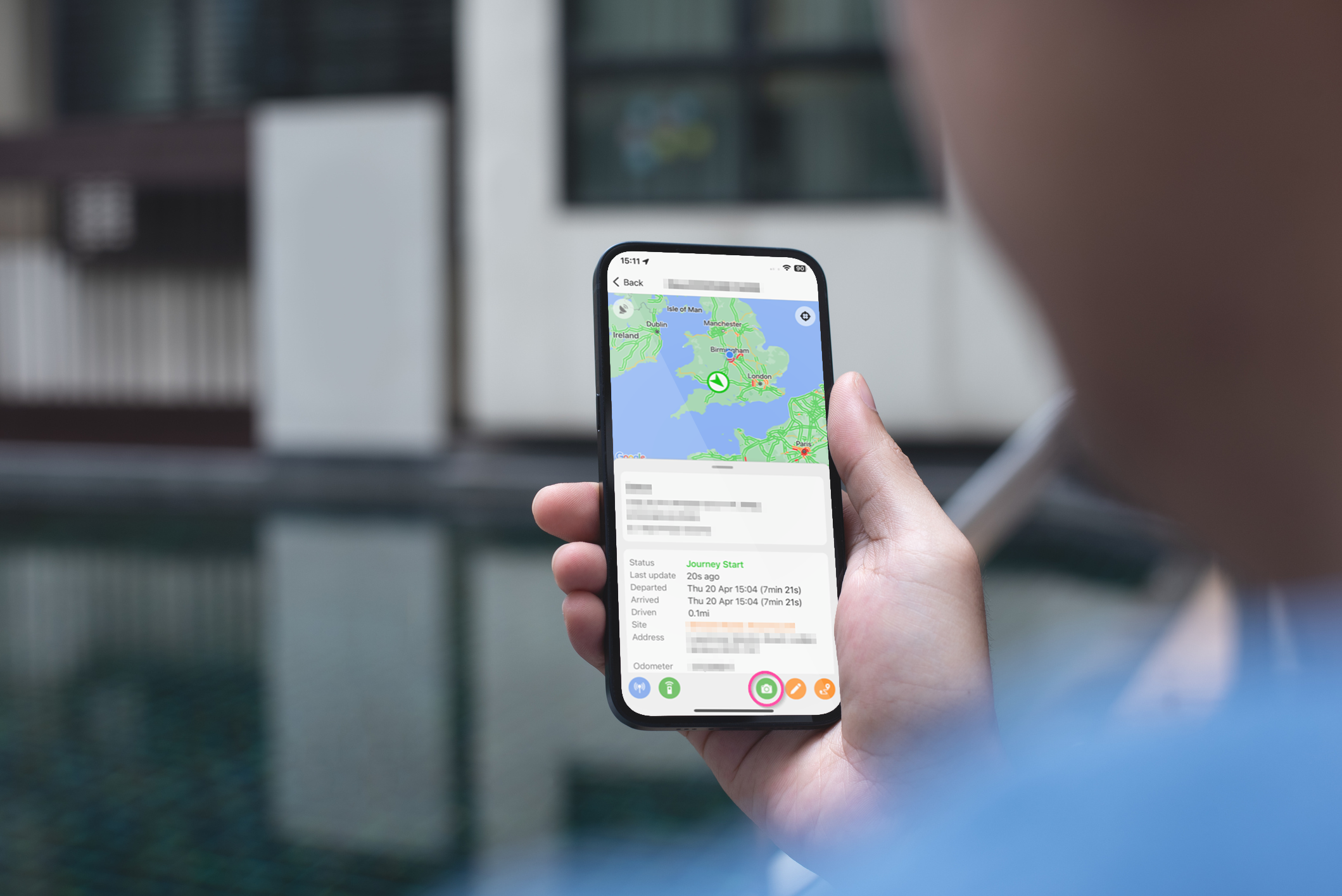
Small business owners rarely have time to analyse large volumes of data manually.
Today’s fleet management platforms use automated analytics to identify important trends and operational issues, such as:
- Increasing fuel consumption
- Driver performance concerns
- Productivity opportunities
- Emerging maintenance problems
Instead of reviewing complex reports, managers receive easy-to-understand insights that support faster decision-making and continuous improvement.
7. Evaluate Electric Vehicles with Real Fleet Data

As businesses explore sustainability initiatives, electric vehicles (EVs) are becoming an increasingly attractive option.
However, questions around range, charging infrastructure and return on investment often create uncertainty.
Fleet management platforms can assess vehicle suitability using real operational data, helping businesses determine which vehicles could realistically transition to electric power based on their daily usage patterns. This allows fleet operators to make informed decisions rather than relying on assumptions.
8. Consolidate Tools for Better Efficiency
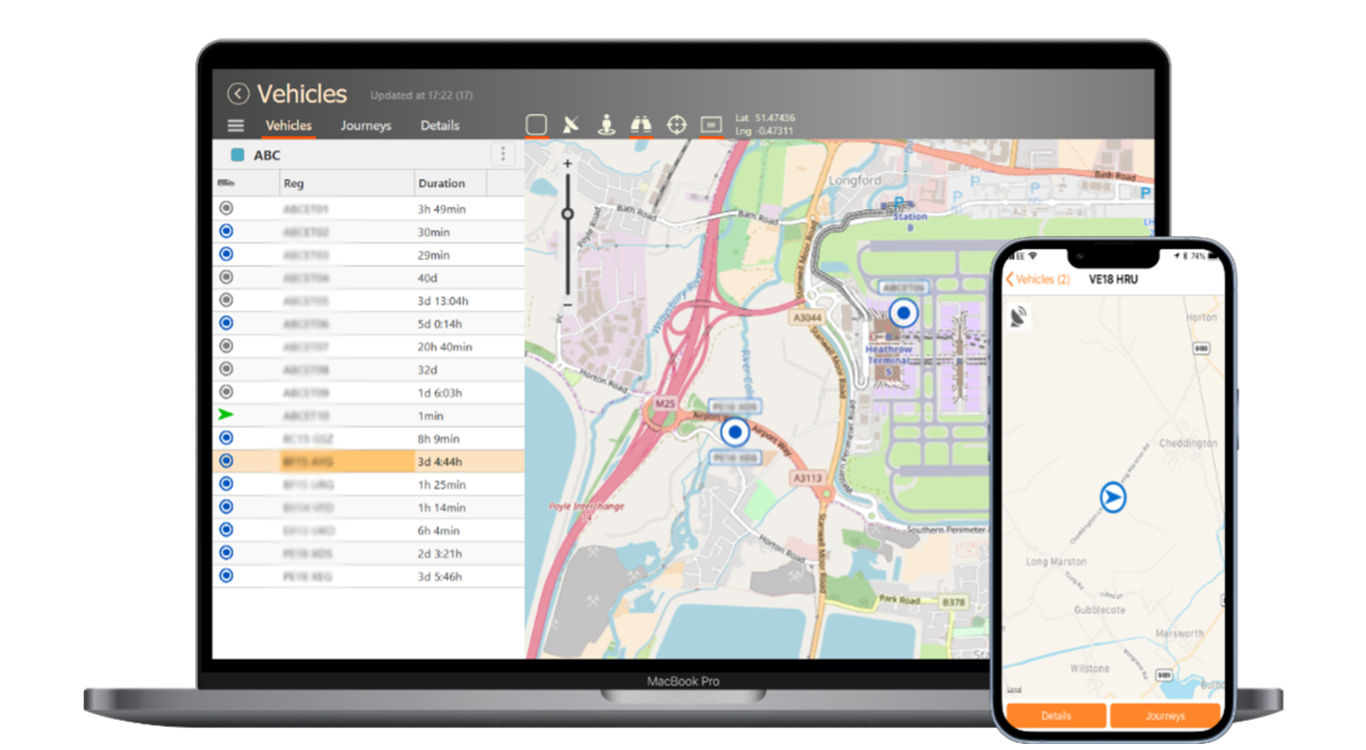
As fleets grow, many businesses accumulate multiple systems for tracking, compliance, maintenance and safety. While each tool may solve a specific problem, managing numerous platforms often creates complexity and inefficiency.
A unified fleet management solution brings critical functions together into a single platform, including:
- Vehicle tracking
- Driver safety monitoring
- Maintenance management
- Compliance reporting
- Operational analytics
This provides a clearer picture of fleet performance while reducing administrative burden.
Final Thoughts
Successful fleet management is about more than tracking vehicles. It’s about creating a connected operation that improves visibility, reduces costs, enhances safety and supports long-term business growth.
For small businesses, adopting the right technology can transform fleet operations from a daily challenge into a strategic advantage. By leveraging GPS tracking, preventative maintenance, driver coaching, digital inspections and data analytics, organisations can build more efficient, productive and profitable fleets.