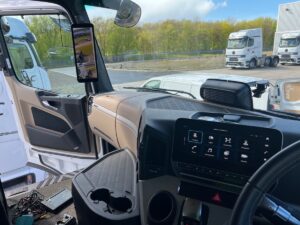
Fleet operations are becoming more complex. Vehicles, drivers, and high‑value cargo are constantly on the move, often across multiple locations, routes, and environments. Without clear visibility, even small gaps in awareness can lead to increased risk, higher costs, and operational inefficiencies.
That is why connected GPS tracking has become an essential part of modern fleet management. With the ability to monitor vehicles, assets, and activity in real time, fleets can move from reactive management to proactive control.

Turning Visibility into Control
Traditional tracking methods often provide limited or delayed information. Decisions are made after incidents occur, rather than preventing them in the first place.
Connected GPS tracking changes this completely.
By providing real time location data and movement insights, Fleet Witness enables operators to:
- Monitor where vehicles and assets are at any given moment
- Identify unexpected stops or route deviations
- Understand how fleets are operating throughout the day
This level of visibility gives fleet managers the confidence to act quickly, reduce uncertainty, and maintain control across all operations.
Improving Driver Safety and Support
Connected tracking helps improve driver safety by:
- Providing accurate location data in the event of an incident
- Supporting quicker response times when assistance is required
- Highlighting behavioural trends that may need attention
Rather than simply tracking vehicles, the system becomes a tool for protecting the people behind the wheel.
Protecting High Value Assets
Vehicles and equipment represent a significant investment. Whether parked overnight, operating on site, or travelling between locations, they remain at risk without proper oversight.
With connected GPS tracking, fleets can:
- Monitor assets even when not in use
- Detect unauthorised movement instantly
- Set geofences to control where vehicles should and should not be
- Receive alerts when assets move outside expected patterns
This ensures valuable equipment is not only tracked, but actively protected.
Reducing Operational Risk
Unexpected events can disrupt operations quickly, whether it is a vehicle operating outside planned routes or unusual activity that goes unnoticed.
Fleet Witness helps reduce these risks by:
- Highlighting abnormal behaviour through alerts and exceptions
- Providing clear data to support decision making
- Allowing managers to intervene before issues escalate
The result is a more stable, predictable operation with fewer surprises.
Supporting Better Decision Making
Beyond safety and security, connected tracking data provides a powerful foundation for improving performance.
Fleet managers can use insights to:
- Analyse route efficiency and journey patterns
- Identify underutilised vehicles
- Monitor trends across fuel use, idling, and utilisation
- Make informed adjustments to improve productivity
With everything in one place, decisions are based on evidence rather than assumptions.
Final Thought
In today’s fleet environment, visibility is everything. Knowing where assets are, how they are being used, and when something changes is critical to maintaining control.
Connected GPS tracking delivers that visibility, turning everyday movement into actionable insight and helping fleets operate more safely, efficiently, and confidently.