Van Tracking: How Real‑Time Visibility Transforms Fleet Productivity and Accountability
For businesses that rely on vans to deliver goods, services, or support customers, fleet efficiency is not a luxury, it is a competitive advantage. From trades and field services to logistics and last‑mile delivery, vans are the backbone of daily operations. Yet many businesses still operate with limited visibility over where their vehicles are, how they are being used, and how efficiently they are performing.
Van tracking technology changes that completely. By providing real‑time location data and actionable insights, van tracking helps businesses boost productivity, improve accountability, and gain greater control over their operations.

What Is Van Tracking?
Van tracking uses GPS technology to monitor vehicles in real time. A tracking unit installed in each van transmits location and performance data to a central platform, which fleet managers can access from a desktop or mobile app.
Modern van tracking systems go far beyond simply showing a vehicle on a map. They can provide insights into driver behaviour, route efficiency, idle time, vehicle usage, and overall fleet performance. This data empowers businesses to make informed decisions rather than relying on assumptions or manual reporting.
Improving Productivity Across the Fleet
One of the most immediate benefits of van tracking is improved productivity. When fleet managers can see where every van is at any moment, planning and dispatch become faster and more accurate.
Live tracking allows businesses to:
- Assign the nearest available van to urgent jobs
- Optimise routes to reduce travel time and congestion
- Identify delays and resolve issues before they affect customers
- Reduce unnecessary mileage and fuel consumption
Over time, these improvements add up. Less time wasted on inefficient routes or idle vehicles means more completed jobs per day and lower operating costs.
Strengthening Driver Accountability
Accountability is essential in any fleet operation, but it can be difficult to achieve without clear, objective data. Van tracking introduces transparency for both drivers and managers, helping to create fair and consistent standards.
With tracking in place, businesses can:
- Monitor driving behaviour such as speeding, harsh braking, or excessive idling
- Verify arrival and departure times at job sites
- Resolve disputes with accurate location and time records
- Encourage safer, more responsible driving habits
Importantly, van tracking should be positioned as a support tool rather than a surveillance tool. When drivers understand that tracking helps protect them, reduce workload inefficiencies, and provide evidence when issues arise, adoption and acceptance are far higher.
Reducing Costs and Protecting Assets
Operating a van fleet involves significant investment, not just in vehicles but also in fuel, maintenance, and insurance. Van tracking plays a key role in protecting these assets.
By analysing usage patterns, fleet managers can identify:
- Underused or overused vehicles
- Maintenance issues before they become costly breakdowns
- Excessive fuel consumption caused by poor driving habits
- Unauthorised vehicle use or route deviations
In the event of theft, live tracking can also assist in quickly locating stolen vehicles, improving the chances of recovery and reducing downtime.
Enhancing Customer Service
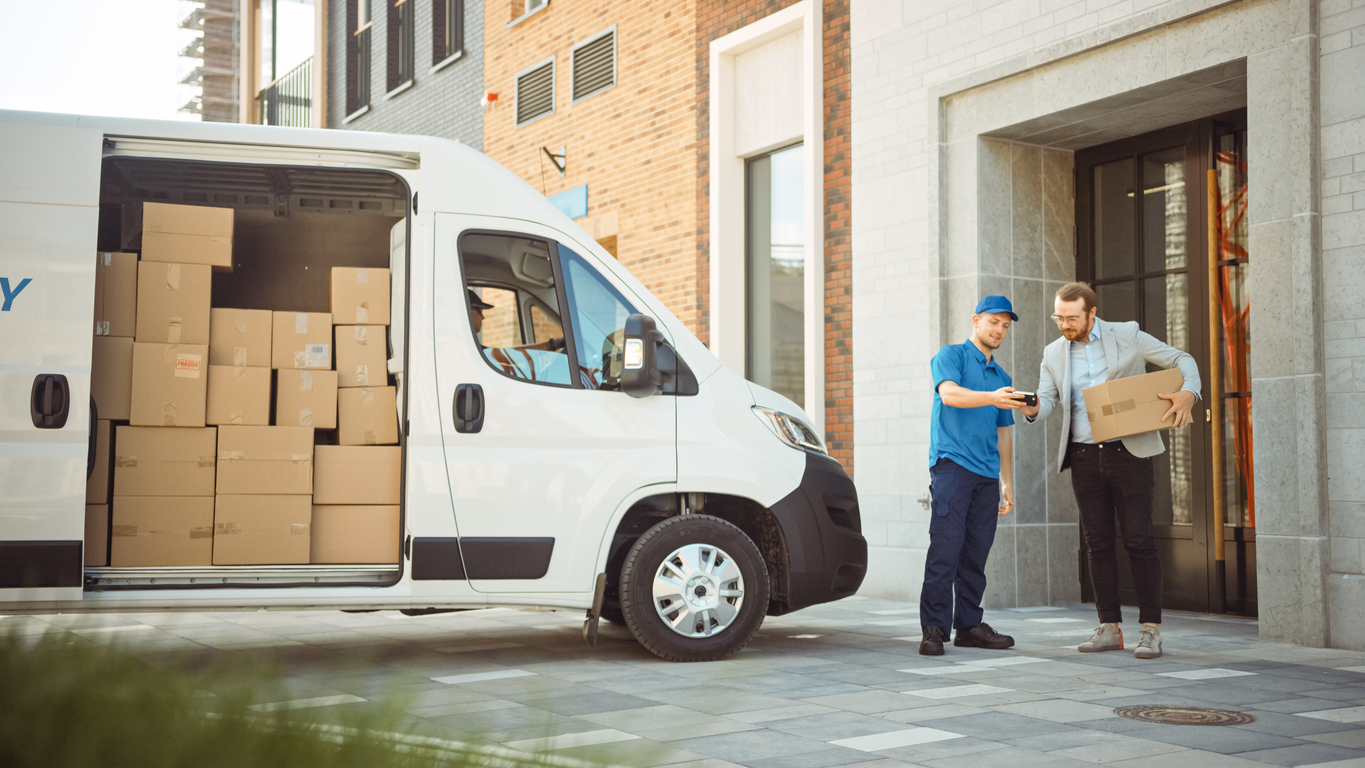
Customer expectations continue to rise, with demand for faster response times and accurate delivery window updates. Van tracking supports better customer service by giving businesses confidence in their scheduling and communication.
Fleet managers can provide customers with accurate arrival estimates, respond quickly to delays, and ensure service commitments are met. Over time, this reliability strengthens customer trust and improves brand reputation.
Supporting Compliance and Reporting
For many fleets, compliance is a critical concern. Accurate record‑keeping is essential for inspections, audits, and internal reporting. Van tracking systems automate much of this process by logging journeys, drive times, and vehicle usage data.
This reduces paperwork, minimises manual errors, and makes it easier to demonstrate compliance with industry and internal standards. It also gives businesses access to historical data that can be used for performance reviews and long‑term planning.
Why Van Tracking Is a Smart Investment
Van tracking is no longer just for large fleets. Scalable technology now makes it accessible and cost‑effective for businesses of all sizes. Whether running five vans or fifty, the benefits remain the same: better visibility, stronger accountability, improved productivity, and lower operational risk.
With access through mobile apps as well as desktop platforms, fleet managers can monitor their vans anytime and anywhere, keeping control firmly in their hands.
Final Thoughts
Van tracking transforms fleet operations from reactive to proactive. Instead of guessing where vehicles are or why issues occur, businesses gain clear insight and real control. The result is a fleet that runs more efficiently, drivers who are better supported, and customers who receive a more reliable service.
For any business that depends on vans to deliver value, van tracking is not just a tool, it is a strategic advantage.