How to Reduce Fleet Fuel Costs in the UK: Strategies for Fuel Economy, Driver Behaviour, and Fuel Management
Imagine filling a bucket with water, only to realise small holes are steadily draining it dry. Business expenses work similarly, especially considering volatile UK fuel prices. You wouldn’t just keep pouring water into a broken container; you would find and plug the leaks.
According to Department for Transport data, many fleet managers mistakenly treat fuel as a fixed overhead they must simply accept. In reality, it is a highly controllable variable cost. Small operational adjustments can drastically reduce fleet fuel costs without sacrificing your daily deliveries.
Reclaiming this lost profit requires a clear plan covering driver habits, basic vehicle maintenance, smarter route planning, and modern tracking technology.

Why Easing the Right Foot Saves 15% on Fuel
Everyone knows that individual driving habits vary, but few realise how much this costs a business. Treating a delivery van like a race car through rapid acceleration creates a massive financial penalty. Actually, aggressive driving wastes up to 15% of your fuel.
Think of driving like riding a bicycle: constantly sprinting and stopping takes enormous energy. Managing momentum solves this. Setting a firm speed limit, like capping vans at 65 mph, keeps engines in their sweet spot to maximise miles per gallon.
Simple driver training can correct a heavy-footed approach and improve overall driver behaviour. Coach your team on these three techniques for fuel-efficient driving:
Progressive braking: Easing off the accelerator early to coast toward stops rather than slamming the brakes.
Early gear shifting: Changing gears sooner to keep engine effort low.
Maintaining distance: Leaving space in traffic to avoid sudden, momentum-killing stops.
Mastering forward motion captures immediate savings, but parked vehicles also present a significant opportunity for cost reduction.
The Hidden Cost of Idling: Turning Your Engine Off to Save Money
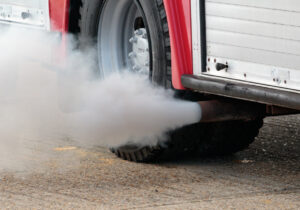
Leaving a van running while unloading equipment seems harmless, but it quietly drains your budget. Every parked minute burns unnecessary fuel, effectively netting your business zero miles per gallon. This idling time often accounts for a surprisingly huge portion of daily operational waste.
Many drivers still believe the old myth that restarting an engine uses extra fuel. With modern vehicles, that is completely false. To immediately reduce your fleet’s fuel consumption, teach your team the 30-second rule: if a stop will last longer than half a minute, simply turn the key off.
Beyond the fuel tank, a stationary engine actually accumulates wear much faster than a moving one. The negative impact of idling on fleet fuel economy is ultimately compounded by premature maintenance costs from degraded oil. Correcting these parking habits protects the engine and limits wasted fuel, complementing the mechanical health of the vehicle.
Maintaining Your Fleet: Why Correct Tyre Pressure is Like Free Money

Cycling with soft tyres means pedalling much harder just to move forward. Your fleet faces this exact struggle—known as “rolling resistance”—when driving on under-inflated tyres. Because tyres naturally lose air over time, this hidden drag forces the engine to work overtime. The Department of Energy notes that under-inflated tyres increase fuel consumption by up to 3%, quietly draining profits from every job.
Catching this waste is simple using tyre pressure monitoring systems (TPMS), which are dashboard sensors that alert drivers when air levels drop. Whether you are maintaining vehicles for local deliveries or optimising tyre pressure for heavy-duty trucks, proactive habits pay off. Building a five-minute weekly gauge check into preventative maintenance schedules for better MPG saves hundreds of pounds annually.
Driver accountability locks in these savings through a simple monthly maintenance checklist:
Tyre pressure check
Air filter inspection
Oil level verification
With the physical hardware optimised, advanced monitoring systems can further protect your bottom line from theft and inefficiency.
Using Fuel Cards and Telematics to Stop Fuel Theft and Inefficiency
Handing drivers a blank cheque at the petrol station leaves your business vulnerable to hidden overspending without proper fuel management. Switching to a dedicated fuel card changes this dynamic instantly by restricting purchases exclusively to approved filling stations.
These specialised cards provide data that does much more than track expenses. Knowing how to prevent fuel theft in trucking or local delivery starts with matching a vehicle’s tank capacity to the litres purchased. If your van holds 80 litres, but the receipt shows 120, you immediately know someone is filling a personal vehicle on company time.
Beyond financial data, modern monitoring unlocks deeper operational savings. Telematics acts as a digital fitness tracker for your vehicles, mapping exactly how they move daily. This technology utilises smart GPS tracking to reduce deadhead miles—the wasteful practice of driving an empty truck after a drop-off—by routing drivers to closer jobs instead of returning empty.
Uniting these tools creates an invisible net that catches wasted pounds before they vanish. The greatest fuel management system benefits are total visibility and immediate budget control over every drop purchased.
Your 30-Day Roadmap to Lower Fleet Expenses
You no longer have to watch profits evaporate at the pump. By treating fuel as a managed asset rather than an unavoidable expense, you instantly unlock hidden profit within your business. If you are wondering what a good fuel economy is for a commercial fleet, standard UK light vans should target a healthy baseline of 35 to 40 MPG.
To start reducing fuel and saving money immediately, execute this simple 30-day plan:
Audit last month’s fuel bills
Host a 10-minute driver briefing
Schedule a tyre pressure check
Trimming your fleet fuel costs by just 10% can have the equivalent financial impact of signing a lucrative new client. Take control of your vehicles today and watch those basic operational adjustments compound into thousands of pounds in annual savings.